Smarter Infrastructure in Cities
Cities aren’t just going digital they’re going real time. With 5G, urban infrastructure is gaining a serious upgrade. From adaptive traffic lights that respond to flow in milliseconds to smart grids balancing electricity loads on the fly, speed is the backbone of this transformation. It’s not just about data transfer it’s about usable information, delivered instantly.
Municipalities are starting to tap into these possibilities for more than just convenience. Predictive maintenance is becoming standard on everything from water mains to public transit. A small sensor detects a weak point, data gets sent in real time, and a fix is scheduled before failure happens. It’s more efficient, cheaper, and ultimately safer.
At the core of this evolution is the marriage of IoT and urban planning. Every smart lamp post, sensor packed bridge, and connected utility contributes to a tighter feedback loop. The result? Cities that learn, adapt, and respond without missing a beat. With 5G in the mix, the line between physical infrastructure and dynamic computation continues to blur.
Healthcare’s Wireless Transformation
5G is tearing down the walls of traditional healthcare. Remote surgeries are now a practical reality not some future concept thanks to ultra low latency connections. Surgeons can operate from thousands of miles away with pinpoint precision, relying on real time guidance without fear of lag.
It doesn’t stop in the operating room. Diagnostics are sharper and faster. Medical professionals can monitor patient vitals remotely, catching issues early before they escalate. This isn’t just about convenience it’s saving lives, especially in rural or under resourced areas.
Then there are ambulances that function more like rolling data centers. Armed with medical AI, these vehicles can process patient data en route, begin diagnostics, even consult specialists before arriving at a hospital. Triage starts on the street, not in the ER waiting room.
5G didn’t just upgrade our phones. It’s rewriting the rules of care, one second at a time.
Manufacturing Moves to the Edge
As the industrial sector embraces digital transformation, 5G is leading a major shift in how factories operate. By enabling ultra fast data transmission and near zero latency, manufacturers are able to streamline operations, boost efficiency, and reduce downtime like never before.
Smarter Factory Floors
5G connectivity is turning traditional factory setups into high tech ecosystems. Here’s how:
High bandwidth sensors capture data from multiple machines simultaneously, enabling real time visibility of operations.
Automated robotics interact seamlessly with each other and control systems, improving coordination and workflow.
Predictive maintenance systems use continuous data streams to detect issues before they cause breakdowns.
Decision Making at the Edge
With edge computing integrated into the production environment, data gathered from machines no longer needs to be sent to centralized servers for processing.
Localized data processing allows for instant decisions on the factory floor.
Reduced latency ensures machinery can respond in milliseconds, which is critical for time sensitive operations.
Enhanced security by keeping sensitive operational data within local networks.
For a deeper look into edge computing’s critical role in transformation, explore why edge computing is vital in a cloud dominated world.
Together, 5G and edge computing are redefining what’s possible in manufacturing creating agile, intelligent production systems that adapt in real time.
Retail and Warehousing Get Real Time
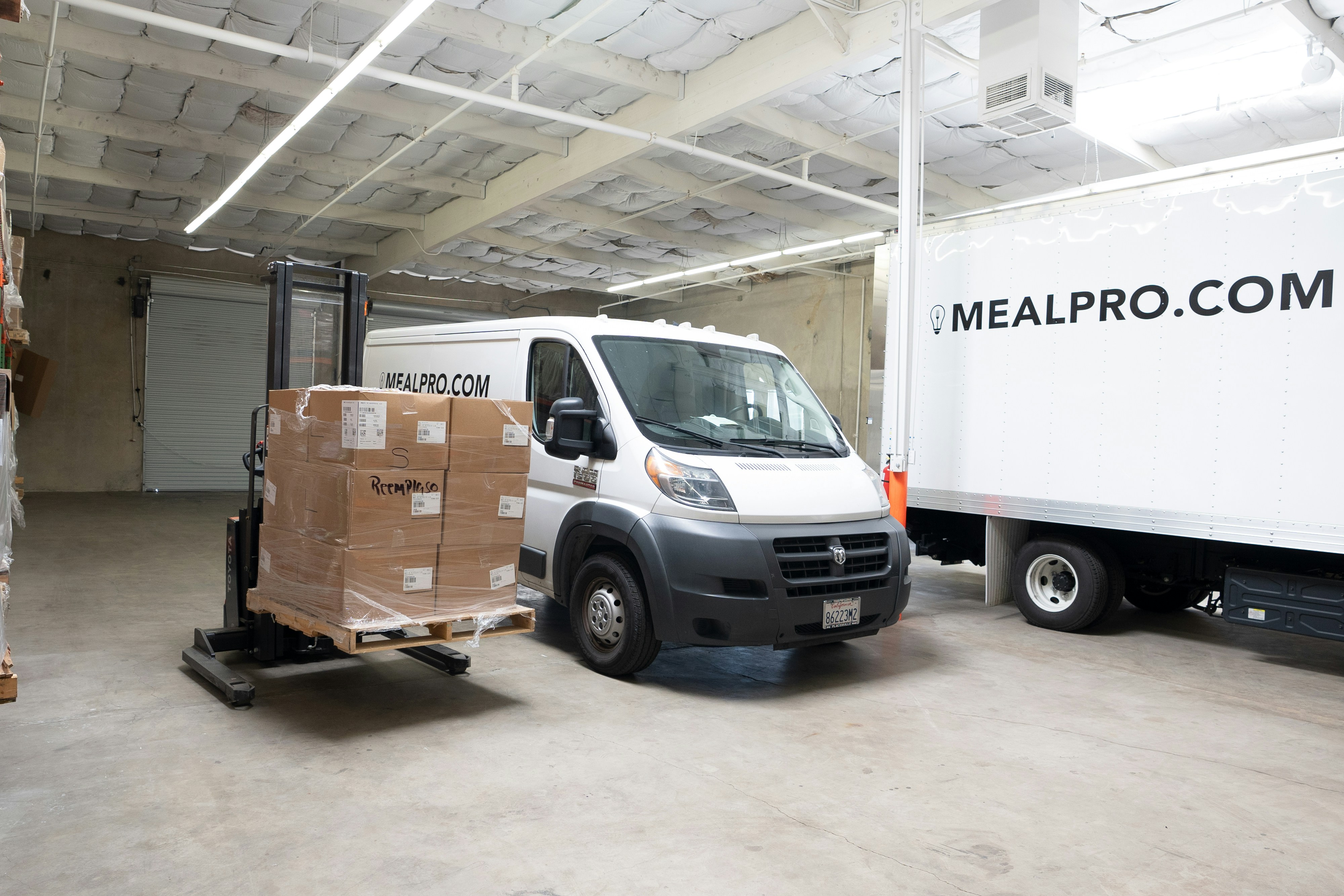
As 5G networks continue rolling out, the retail and logistics sectors are undergoing major transformations. Faster speeds and lower latency are driving real time operations, reshaping everything from how stores interact with customers to how warehouses handle products.
Smarter Storefronts
The retail experience is becoming increasingly tech assisted, with 5G enabling layers of automation and real time feedback:
Shelf Sensors: Instantly detect low or misplaced inventory, prompting restocking or alerts automatically.
Smart Checkout: Enables frictionless transactions through facial recognition, RFID scanning, and real time inventory syncing.
Personalized Offers: Mobile apps can push hyper localized deals to customers based on in store behavior and preferences.
AR Enhanced Shopping
Augmented reality is no longer a gimmick 5G enhances its impact by making real time rendering seamless:
Try before you buy experiences through AR mirrors or apps.
Interactive product demos straight from users’ smartphones.
Scan and learn functions giving instant product information or reviews.
Warehouses Without Lag
Back of house logistics are evolving just as fast. 5G provides the necessary bandwidth and latency for near instantaneous communication between humans, hardware, and software:
Autonomous Vehicles (AGVs): Navigate warehouse floors efficiently and without delay, reducing labor costs and errors.
Drones: Conduct inventory checks, transport goods between sections, and enable higher storage stack management.
End to End Visibility: Real time data sharing across points in the supply chain for faster, smarter decisions.
In both retail and warehousing, 5G closes the gap between insight and action turning static operations into responsive ecosystems.
Entertainment & Sports: Welcome to the Next Level
Streaming is no longer just about not buffering it’s about total immersion. With 5G, VR and AR experiences finally feel frictionless. Whether it’s an interactive concert from your couch or stepping into a courtside seat through a headset, the latency is gone. Zero lag. Full presence.
Live sports get a serious upgrade too. Multi camera angles stream in near real time, letting fans switch perspectives mid play without delay. Gamified overlays, instant stats, and custom audio feeds are no longer wishlist items they’re baseline features, thanks to 5G’s speed and bandwidth.
Inside stadiums, 5G powered apps are letting fans order snacks to their seats, replay plays from alternate angles, and even vote on halftime performances. It’s not just a game anymore it’s a two way experience. The line between digital and physical entertainment is getting blurry, and 5G is the glue pulling it together.
The Backbone: Why Edge Computing Matters
5G isn’t magic on its own. It’s fast, yes. But what makes it powerful is where and how that speed is used and that’s where edge computing comes in. Instead of routing data through distant servers, edge architecture brings the computing closer to where data is created. Think factory floors, retail systems, or autonomous drones making split second decisions. Localized processing slashes latency and cuts out bandwidth bottlenecks that even high speed networks can’t fully dodge.
For industries relying on real time data healthcare, manufacturing, logistics this pairing changes the game. You get responsiveness without relying on the cloud every single time. It’s leaner, faster, more resilient and a step toward systems that run smoother without centralized lag.
Want to see how it all ties together? Take a deep dive into why edge computing is vital in a cloud dominated world.
Looking Forward
5G isn’t just for your phone. It’s about to redraw the lines in industries that seemed untouched by mobile tech just a few years ago. Agriculture is stepping into the precision era connected sensors in the field, real time irrigation adjustment, and autonomous equipment that makes decisions on the fly. Farmers no longer guess; they measure and act, instantly.
In education, immersive tech doesn’t mean clunky headsets and awkward lag anymore. 5G supports seamless AR and VR classrooms that can transport students into simulations, interactive labs, or historical recreations without choking on bandwidth. Learning gets stickier, less abstract, and far more accessible.
Finance follows suit. Fraud detection no longer relies on cold data reviews after the fact. With 5G, banks and financial apps can flag anomalies and shut down suspects mid transaction. Real time security becomes the new default.
The warning and the opportunity are the same: businesses that wait will chase. Early adopters those investing now in infrastructure, training, and strategy won’t just move fast, they’ll actually see what’s coming before it hits. In a 5G world, speed isn’t a tactic. It’s insurance.