
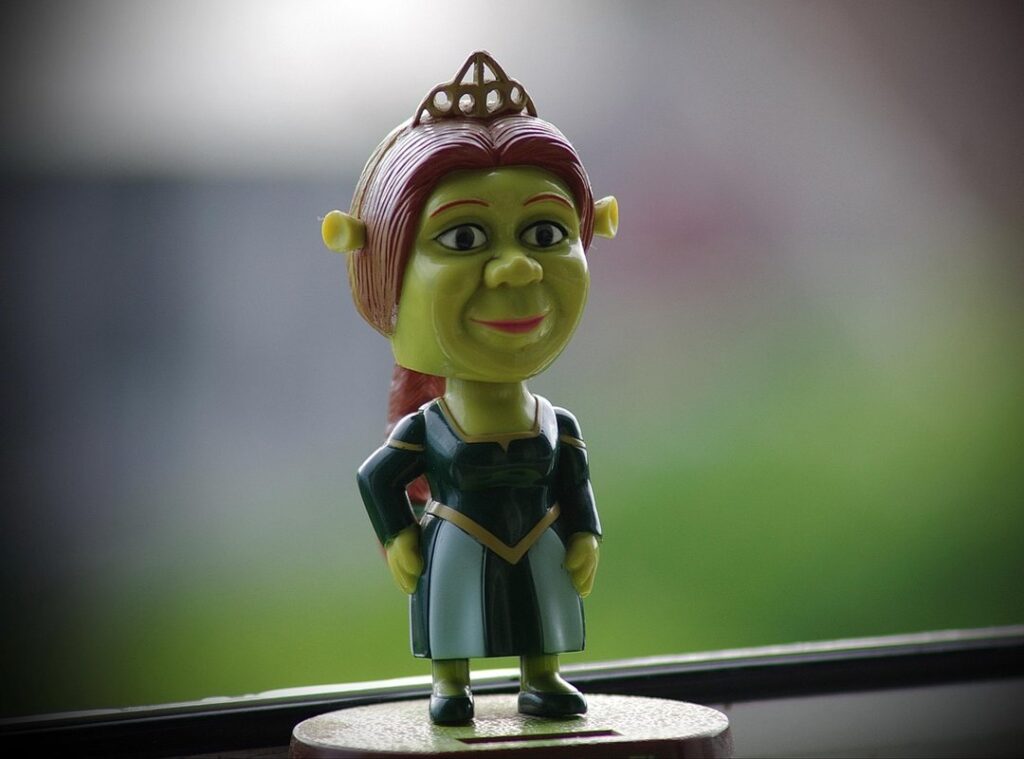
Have you ever heard Princess Fiona described with a specific, untranslatable Dutch word? It’s called manwijf. This term is complex and often controversial.
You might be curious about why it’s so frequently connected to Fiona. This article will dive deep into what manwijf means. We’ll explore why it’s linked to Fiona and what this reveals about cultural perceptions of strong female characters.
By the end, you’ll have a clear understanding of this unique pop culture and linguistic crossover. The Shrek franchise was famous for turning fairy tale tropes on their head. Fiona’s character is a perfect example of that.
What Does ‘Manwijf’ Actually Mean?
Let’s break it down. The word ‘manwijf’ in Dutch is made up of two parts: ‘man’ (man) and ‘wijf’ (an old, often derogatory term for woman or wife). Historically, it was a pejorative term for a woman who was considered overly masculine, aggressive, or unladylike—basically, a virago or termagant.
In modern Dutch, the meaning can shift depending on context and tone. While it can still be used as an insult, it’s not always negative.
- Synonyms in English:
- Tomboy
- Amazon
- Harridan
None of these are a perfect match, but they give you an idea. For example, “Ze is echt een manwijf” (She is really a manwijf) traditionally means she is seen as too tough or unfeminine.
However, in a more modern, empowering context, ‘manwijf’ can sometimes be used positively. Think of Fiona from Shrek—she’s strong, independent, and doesn’t fit the traditional mold. In this sense, ‘manwijf’ can be a compliment, highlighting strength and resilience.
Understanding these nuances can help you use the term more appropriately and avoid unintentional offense.
Connecting the Dots: Why Princess Fiona is the Ultimate ‘Manwijf’
I remember the first time I watched Shrek with my Dutch friends. They laughed and pointed out that Fiona was a total manwijf. At first, I didn’t get it.
But then I saw her in action.
Fiona isn’t your typical princess. She’s not waiting for a prince to save her. Instead, she’s saving herself—and others.
Take the scene where she fights Robin Hood’s men. She uses martial arts moves that would make any action hero proud.
Her assertiveness is another key trait. Unlike Cinderella or Snow White, who often need rescuing, Fiona is the one calling the shots. She’s not just a pretty face; she’s a force to be reckoned with.
| Character | Traits |
|---|---|
| Fiona | Assertive, physically strong, independent |
| Cinderella | Passive, needs rescuing, traditional beauty |
| Snow White | Naive, passive, traditional beauty |
Fiona’s ogre form is a perfect example of her manwijf characteristics. It shows her physical power and a rejection of conventional beauty standards. She’s comfortable in her own skin, no matter what she looks like.
Her personality is also a big part of why she fits this label. Fiona is pragmatic and has a crude sense of humor. Remember the burping contest?
She’s not afraid to let loose and have fun. manwijf shrek
She’s Shrek’s equal partner, not a passive sidekick. For Fiona, being a manwijf isn’t a negative. It’s a badge of honor, a sign of her independence and capability.
In the world of Shrek, she’s the ultimate manwijf shrek—and we love her for it.
An Insult or a Badge of Honor? The Modern Interpretation
Is calling Fiona a “manwijf” an insult to her femininity or a compliment to her strength? It’s a question that gets to the heart of how we view strong, complex female characters in media.
In the Shrek films, Fiona is portrayed as both a princess and a hero. She’s not just a damsel in distress; she can fight, she’s independent, and she’s got a sense of humor. These traits are intentionally framed as positive, challenging the traditional roles of princesses and heroes.
- The Shrek Films’ Positive Portrayal
- Fiona is shown as capable and self-reliant.
- Her strength and independence are celebrated, not diminished.
This portrayal is part of a broader cultural shift. Media is increasingly celebrating strong, complex female characters. Fiona was a forerunner of this trend, showing that a princess can be more than just a pretty face.
Reclaiming traditionally negative words is a common practice. In the context of manwijf shrek, the term can be seen as an example of this. What once might have been an insult is now a powerful descriptor of a non-conformist woman.
Ultimately, the power of the term lies in the eye of the beholder. One person might see it as an insult, while another sees it as a badge of honor. In the context of Shrek, “manwijf” becomes a symbol of empowerment, reflecting Fiona’s strength and individuality.
Beyond Shrek: The ‘Manwijf’ Archetype in Pop Culture
Fiona isn’t the only one. Think about Brienne of Tarth from Game of Thrones. She’s a fierce warrior, loyal and strong, defying the typical damsel-in-distress trope.
Then there’s Ellen Ripley from Alien. She’s a no-nonsense, capable leader who takes charge in a crisis.
These characters, like Fiona, challenge traditional gender roles. They show that women can be just as competent and powerful in male-dominated worlds.
The manwijf shrek archetype resonates because it offers a new, empowering vision. It’s not just about being tough; it’s about being real, relatable, and strong.
Fiona’s popularity helped normalize this type of character for a new generation. It showed that audiences want more than just pretty faces and passive roles.
How a Dutch Word Perfectly Captures Fiona’s Enduring Legacy

manwijf shrek is a term that beautifully encapsulates the essence of Princess Fiona. It refers to a strong, independent woman who defies traditional gender roles. This word directly applies to Fiona’s character, as she is both physically and emotionally resilient, breaking the mold of typical princesses.
In modern times, manwijf has been reinterpreted as a term of empowerment. The connection between manwijf shrek and Shrek illustrates how language and pop culture can intersect to challenge and redefine social norms.
Princess Fiona’s legacy is one of a character who proved that strength and femininity are not mutually exclusive. A single word can encapsulate a massive cultural shift in storytelling.
 Joyceline Chamberlintes is the kind of writer who genuinely cannot publish something without checking it twice. Maybe three times. They came to device troubleshooting techniques through years of hands-on work rather than theory, which means the things they writes about — Device Troubleshooting Techniques, Quantum Computing Threats, Expert Breakdowns, among other areas — are things they has actually tested, questioned, and revised opinions on more than once.
That shows in the work. Joyceline's pieces tend to go a level deeper than most. Not in a way that becomes unreadable, but in a way that makes you realize you'd been missing something important. They has a habit of finding the detail that everybody else glosses over and making it the center of the story — which sounds simple, but takes a rare combination of curiosity and patience to pull off consistently. The writing never feels rushed. It feels like someone who sat with the subject long enough to actually understand it.
Outside of specific topics, what Joyceline cares about most is whether the reader walks away with something useful. Not impressed. Not entertained. Useful. That's a harder bar to clear than it sounds, and they clears it more often than not — which is why readers tend to remember Joyceline's articles long after they've forgotten the headline.
Joyceline Chamberlintes is the kind of writer who genuinely cannot publish something without checking it twice. Maybe three times. They came to device troubleshooting techniques through years of hands-on work rather than theory, which means the things they writes about — Device Troubleshooting Techniques, Quantum Computing Threats, Expert Breakdowns, among other areas — are things they has actually tested, questioned, and revised opinions on more than once.
That shows in the work. Joyceline's pieces tend to go a level deeper than most. Not in a way that becomes unreadable, but in a way that makes you realize you'd been missing something important. They has a habit of finding the detail that everybody else glosses over and making it the center of the story — which sounds simple, but takes a rare combination of curiosity and patience to pull off consistently. The writing never feels rushed. It feels like someone who sat with the subject long enough to actually understand it.
Outside of specific topics, what Joyceline cares about most is whether the reader walks away with something useful. Not impressed. Not entertained. Useful. That's a harder bar to clear than it sounds, and they clears it more often than not — which is why readers tend to remember Joyceline's articles long after they've forgotten the headline.