
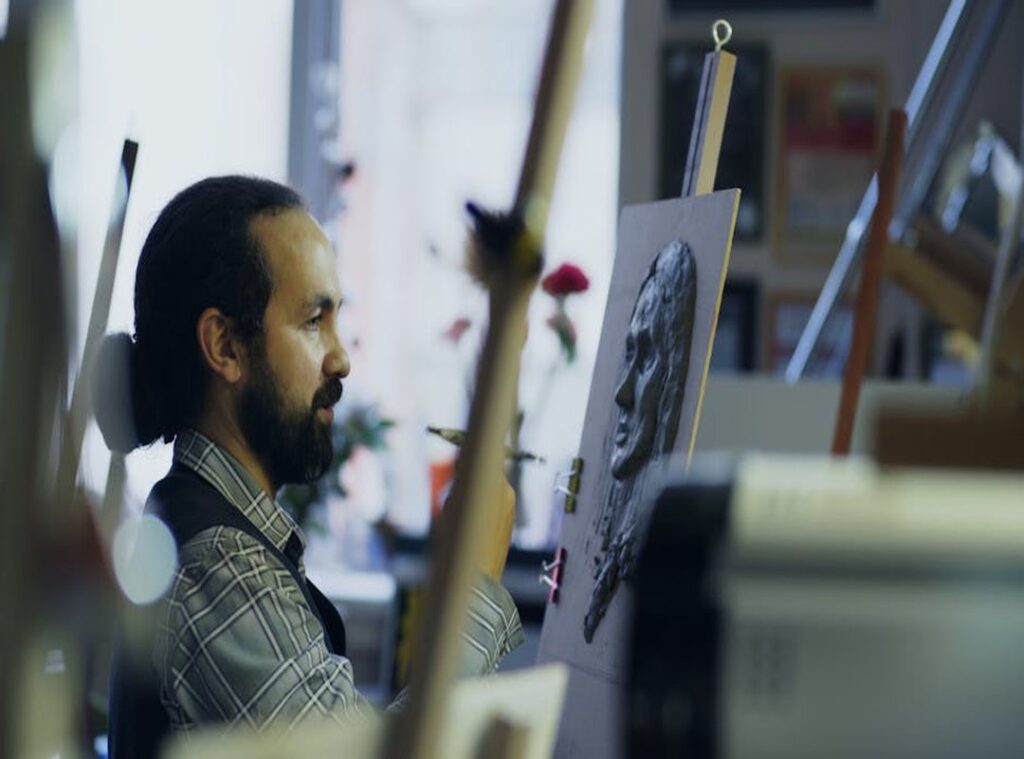
Finding the bashid mclean original photo no blur twitter can be a real headache. You might have seen that image floating around, but how do you know it’s the real deal?
I get it. It’s frustrating to sift through countless low-quality and blurry versions.
You want the high-quality, authentic one. And you deserve to find it without wasting hours.
So, let’s cut to the chase. I’m going to show you exactly how to locate and verify the bashid mclean original photo no blur twitter.
No fluff, just practical steps and tools. Trust me, it’s simpler than you think.
Understanding the Importance of High-Quality Images
Why Quality Matters
High-quality images are a must, whether you’re building a professional brand or just sharing personal moments. They make a big difference in how people perceive you.
Impact on Engagement
Clear, high-quality images can boost engagement and credibility on social media platforms. People are more likely to stop scrolling when they see a sharp, well-composed photo.
- Use the right tools. Invest in a good camera or use your smartphone’s best settings.
- Edit wisely. Don’t overdo it with filters. Keep it natural but polished.
- Check the resolution. Make sure your images are at least 72 DPI for web use.
Think about it. Would you take a brand seriously if their profile picture was blurry? No way.
The same goes for you.
bashid mclean original photo no blur twitter is a great example. His photos always look crisp and professional, which helps him stand out.
Pro tip: Regularly review and update your images. A fresh, high-quality photo can reinvigorate your online presence.
How to Search for the Original Image on Twitter
Finding a specific image on Twitter can be a pain. But with the right tools, it’s not as hard as you might think.
First, let’s talk about Twitter’s Advanced Search. It’s a powerful feature that lets you narrow down your search to find exactly what you’re looking for.
To access it, type your search term into the Twitter search bar. Then, click on “Advanced” under the “Filters” menu.
Now, if you’re looking for an image, try using keywords related to the image. For example, if you’re searching for bashid mclean original photo no blur twitter, use those exact words in the search bar.
Next, filtering by date and user can help you get more specific results. If you know when the image was posted or who posted it, you can set these parameters in the advanced search. This narrows down the pool of tweets, making it easier to find the one you need.
Hashtags are another useful tool. They can help you find posts related to Bashid McLean and his images. Just include relevant hashtags in your search, like #BashidMcLean or #OriginalPhoto.
Remember, sometimes the image you’re looking for might be shared multiple times. Check the tweet dates and see if any of them lead back to the original post.
By combining these techniques, you can effectively track down the bashid mclean original photo no blur twitter or any other image you’re after.
Verifying the Authenticity of the Image
In today’s world, it’s more important than ever to verify the authenticity of images. You never know when a photo might be manipulated or taken out of context.
Reverse Image Search
One of the easiest ways to check an image is by using a reverse image search. Here’s how you can do it:
- Go to Google Images.
- Click on the camera icon in the search bar.
- Upload the image or paste the image URL.
- Review the results to see where else the image appears online.
You can also use other tools like TinEye and Yandex. They work similarly and can provide additional insights.
Checking Metadata
Metadata, or EXIF data, can tell you a lot about an image. It’s like finding a hidden tag on a piece of clothing that reveals its history.
To view metadata, you can use tools like ExifTool or online services like Jeffrey’s Image Metadata Viewer. This data can show you the date the photo was taken, the device used, and even the location if GPS data is available.
Sometimes, metadata can be stripped, but it’s still worth checking. It’s like looking for a fingerprint at a crime scene—sometimes you find it, and sometimes you don’t.
Real-World Example
Take the bashid mclean original photo no blur twitter. If you wanted to verify this image, you could use the steps above. Run a reverse image search to see if it appears elsewhere, and check the metadata for any additional details.
By following these steps, you can get a better idea of whether an image is what it claims to be. It’s all about being a bit of a detective and using the tools at your disposal.
If you want to dive deeper into how technology is changing the way we verify information, read more about self supervised learning the next frontier in ai.
Enhancing the Image Quality
When you look at a photo, you want it to feel real. You want to see the texture of the fabric, the glint in someone’s eye, and the subtle shadows that give depth. That’s where photo editing comes in.
Using Photo Editing Tools
There are plenty of tools out there, but not all of them keep the image looking natural. I recommend using software like Adobe Photoshop or GIMP. They have features that let you tweak the details without making the photo look over-processed.
For quick edits, online tools like Canva or PicMonkey can be handy. They’re user-friendly and get the job done fast.
- Adobe Photoshop: Professional-grade editing.
- GIMP: Free and powerful.
- Canva: Easy for quick edits.
- PicMonkey: Simple and effective.
Adjusting Resolution and Size
Sometimes, you need to resize an image for different uses. If you’re printing, you’ll want a higher resolution. For web use, a lower resolution is fine.
Use the “Image Size” feature in your editing tool. It’s like adjusting the zoom on a camera—get it right, and everything looks sharp.
Think about the final destination. Is it going to be a banner on your website? A print in a magazine?
The size and resolution matter. For example, a 300 DPI (dots per inch) is great for print, while 72 DPI works well for the web.
bashid mclean original photo no blur twitter
Pro tip: Always save a copy of the original. You never know when you might need to go back and make more adjustments.
Best Practices for Sharing and Storing Images
Storing images right is key. You want to keep them in high quality and make sure they’re easy to find. Use a well-organized folder system on your computer or a reliable cloud storage service.
This way, you can access them anytime, anywhere.
Some people argue that storing images in the cloud is risky. They worry about data breaches and loss of control. Sure, there’s always a risk, but using a reputable service with strong security measures can mitigate that.
Plus, the convenience and accessibility are hard to beat.
Respecting copyright is non-negotiable. Always check if an image is free to use before sharing it. If you’re not sure, assume it’s copyrighted.
It’s better to be safe than sorry.
Some might say, “Who cares? No one will notice.” But that’s a slippery slope. Not only is it unethical, but it can also get you into legal trouble.
Respect the creators’ work, and you’ll sleep better at night.
Using bashid mclean original photo no blur twitter as an example, always give credit where it’s due. If you’re sharing someone else’s work, tag them or mention their name. It’s the right thing to do.
Ensuring You Have the Best Image of Bashid McLean
When searching for bashid mclean original photo no blur twitter, start by using Twitter’s advanced search options. This narrows down your results to verified and high-resolution images.
Always check the image source. Verify that the photo is from a reputable or official account.
Use reverse image search tools like Google Images or TinEye to confirm the image’s authenticity.
These steps help ensure you are using the best, most authentic version of the image.
Apply these methods to other images as well. Prioritizing high-quality, authentic content enhances your credibility and the overall quality of your posts.
 Joshua Glennstome has opinions about ai innovations and paths. Informed ones, backed by real experience — but opinions nonetheless, and they doesn't try to disguise them as neutral observation. They thinks a lot of what gets written about AI Innovations and Paths, Tech Trend Tracker, Quantum Computing Threats is either too cautious to be useful or too confident to be credible, and they's work tends to sit deliberately in the space between those two failure modes.
Reading Joshua's pieces, you get the sense of someone who has thought about this stuff seriously and arrived at actual conclusions — not just collected a range of perspectives and declined to pick one. That can be uncomfortable when they lands on something you disagree with. It's also why the writing is worth engaging with. Joshua isn't interested in telling people what they want to hear. They is interested in telling them what they actually thinks, with enough reasoning behind it that you can push back if you want to. That kind of intellectual honesty is rarer than it should be.
What Joshua is best at is the moment when a familiar topic reveals something unexpected — when the conventional wisdom turns out to be slightly off, or when a small shift in framing changes everything. They finds those moments consistently, which is why they's work tends to generate real discussion rather than just passive agreement.
Joshua Glennstome has opinions about ai innovations and paths. Informed ones, backed by real experience — but opinions nonetheless, and they doesn't try to disguise them as neutral observation. They thinks a lot of what gets written about AI Innovations and Paths, Tech Trend Tracker, Quantum Computing Threats is either too cautious to be useful or too confident to be credible, and they's work tends to sit deliberately in the space between those two failure modes.
Reading Joshua's pieces, you get the sense of someone who has thought about this stuff seriously and arrived at actual conclusions — not just collected a range of perspectives and declined to pick one. That can be uncomfortable when they lands on something you disagree with. It's also why the writing is worth engaging with. Joshua isn't interested in telling people what they want to hear. They is interested in telling them what they actually thinks, with enough reasoning behind it that you can push back if you want to. That kind of intellectual honesty is rarer than it should be.
What Joshua is best at is the moment when a familiar topic reveals something unexpected — when the conventional wisdom turns out to be slightly off, or when a small shift in framing changes everything. They finds those moments consistently, which is why they's work tends to generate real discussion rather than just passive agreement.