
The ithana plant is something you might not know much about. But trust me, it’s worth your time.
I’ve dug deep into this unique specimen. It’s got some incredible properties that can change the way we think about plants.
What makes the ithana plant special? Well, it’s not just another pretty flower. It has real, practical uses that can benefit us in everyday life.
You might be wondering, why should I care? Good question. This plant isn’t just a scientific curiosity.
It has real-world applications that can make a difference.
So, let’s get into it. I’ll share what I’ve learned and why the ithana plant deserves more attention.
Understanding the Ithana Botanical Specimen
What is the Ithana Botanical Specimen? Let’s break it down. The Ithana plant is a unique species known scientifically as Ithana botanica.
It’s also called the “Moonflower” by some, thanks to its nocturnal blooming habits.
Origin and Habitat: This plant is native to the dense, humid forests of South America. It thrives in shaded, moist environments, often found near riverbanks and in the undergrowth where sunlight is limited.
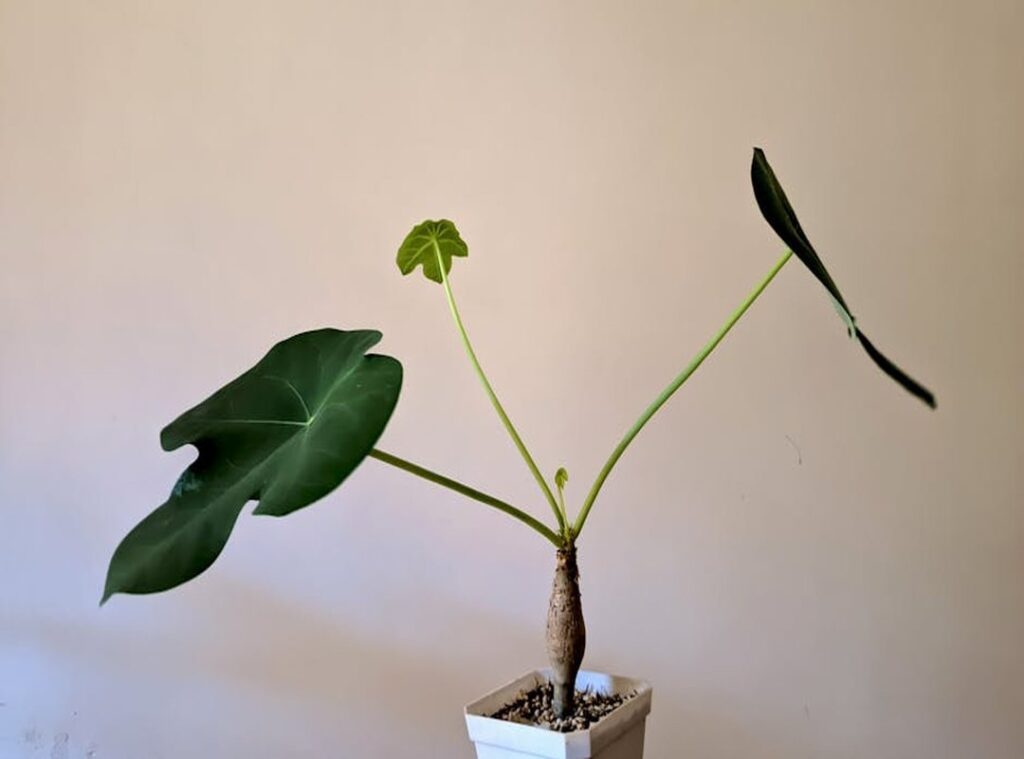
Physical Characteristics: The Ithana plant has large, heart-shaped leaves that can grow up to a foot long. These leaves are a deep, glossy green, which helps them absorb whatever light they can get.
The flowers are the real showstoppers. They are large, white, and bloom only at night, emitting a soft, sweet fragrance. Each flower lasts just one night, but the plant produces new ones throughout the growing season.
One distinctive feature is the plant’s ability to climb. It uses tendrils to attach itself to trees and other structures, reaching heights of up to 20 feet. This climbing habit helps it find more light and support in the dense forest.
Understanding these basics can help you appreciate the Ithana plant’s unique place in the natural world.
Scientific Properties and Benefits
Let’s dive into the Ithana plant. It’s got a bunch of key compounds that can do some pretty amazing things for your health.
First up, the chemical composition. The Ithana plant is packed with antioxidants like flavonoids and polyphenols. These compounds help fight inflammation and oxidative stress in your body.
Now, let’s talk about medicinal uses. Traditionally, the Ithana plant has been used to treat everything from digestive issues to skin conditions. Modern research backs this up, showing it can also support heart health and boost your immune system.
Nutritional value? You bet. The Ithana plant is rich in vitamins and minerals.
It’s loaded with vitamin C, iron, and calcium. This makes it a superfood that can help you meet your daily nutritional needs.
So, why should you care? Adding the Ithana plant to your diet can be a simple way to enhance your overall well-being. Just make sure to consult with a healthcare professional before making any major changes.
Cultivation and Care
Growing the Ithana plant isn’t rocket science, but it does need some specific conditions. First off, light. This plant thrives in bright, indirect sunlight.
Too much direct sun can burn its leaves.
Temperature is key too. Keep it between 60-75 degrees Fahrenheit. It’s not a fan of extreme cold or heat.
For soil, go with a well-draining mix. You don’t want the roots sitting in water. That’s a recipe for root rot.
Watering? Keep it simple. Water when the top inch of soil feels dry.
Overwatering is a common mistake. Don’t do it.
Fertilizing should be done sparingly. Use a balanced, water-soluble fertilizer every 4-6 weeks during the growing season. In winter, cut back to once every two months.
Pest management is pretty straightforward. Keep an eye out for common pests like spider mites and aphids. If you spot them, use a mild insecticidal soap.
Regularly inspect the leaves and keep the plant clean.
Propagation is easy. You can do it through cuttings. Just take a healthy stem, remove the lower leaves, and stick it in a pot with moist soil.
Roots should form in a few weeks.
If you’re looking for more detailed care tips, check out 8Tshare6A. They’ve got a wealth of information on plant care and more.
Incorporating Ithana into Daily Life

Ithana is a versatile plant that can be easily integrated into your daily routine. Let’s dive into some practical ways to use it.
Culinary Uses
You can add the ithana plant to your diet in various forms. Try tossing some fresh leaves into a salad for a burst of flavor. Or blend them into a smoothie for a nutrient-packed drink.
Simple, right?
Wellness Applications
For those into wellness, ithana can be a game-changer. Brew a cup of ithana tea to help you relax after a long day. You can also make a tincture or use essential oils for aromatherapy.
It’s all about finding what works best for you.
DIY Projects
If you’re the DIY type, ithana has a lot to offer. Make a natural face mask by mixing ithana powder with honey and yogurt. It’s easy and leaves your skin feeling refreshed.
Another idea? Create a soothing balm by infusing ithana leaves in coconut oil. Perfect for minor skin irritations.
Incorporating ithana into your life doesn’t have to be complicated. Start small and see what fits best into your routine.
Conservation and Ethical Sourcing
The Ithana plant is currently listed as endangered. This means it’s at high risk of disappearing from the wild. Why should we care?
Because losing any species can disrupt the ecosystem, and the Ithana plant has unique properties that could be vital for future medical research.
When sourcing the Ithana plant, it’s crucial to support ethical practices.
Look for suppliers who are transparent about their sourcing methods.
They should be able to provide details on how they harvest and process the plant.
Supporting fair-trade practices ensures that local communities benefit fairly from the trade.
It’s also important to choose suppliers who are committed to sustainability.
This means they should have measures in place to prevent over-harvesting and to promote the regeneration of the plant.
By being mindful of where and how you source the Ithana plant, you can help protect this valuable resource.
Embracing the Ithana Botanical Specimen
The ithana plant is known for its unique properties, including its ability to boost immunity and provide a natural source of antioxidants. It is also used in traditional medicine to alleviate stress and improve mental clarity. Incorporating the ithana plant into your daily routine can be as simple as adding it to your morning smoothie or using it in a soothing herbal tea.
Another practical way is to use it in essential oils for aromatherapy, enhancing both physical and mental well-being.
Embrace the potential of the ithana plant to enhance your quality of life.
 Joshua Glennstome has opinions about ai innovations and paths. Informed ones, backed by real experience — but opinions nonetheless, and they doesn't try to disguise them as neutral observation. They thinks a lot of what gets written about AI Innovations and Paths, Tech Trend Tracker, Quantum Computing Threats is either too cautious to be useful or too confident to be credible, and they's work tends to sit deliberately in the space between those two failure modes.
Reading Joshua's pieces, you get the sense of someone who has thought about this stuff seriously and arrived at actual conclusions — not just collected a range of perspectives and declined to pick one. That can be uncomfortable when they lands on something you disagree with. It's also why the writing is worth engaging with. Joshua isn't interested in telling people what they want to hear. They is interested in telling them what they actually thinks, with enough reasoning behind it that you can push back if you want to. That kind of intellectual honesty is rarer than it should be.
What Joshua is best at is the moment when a familiar topic reveals something unexpected — when the conventional wisdom turns out to be slightly off, or when a small shift in framing changes everything. They finds those moments consistently, which is why they's work tends to generate real discussion rather than just passive agreement.
Joshua Glennstome has opinions about ai innovations and paths. Informed ones, backed by real experience — but opinions nonetheless, and they doesn't try to disguise them as neutral observation. They thinks a lot of what gets written about AI Innovations and Paths, Tech Trend Tracker, Quantum Computing Threats is either too cautious to be useful or too confident to be credible, and they's work tends to sit deliberately in the space between those two failure modes.
Reading Joshua's pieces, you get the sense of someone who has thought about this stuff seriously and arrived at actual conclusions — not just collected a range of perspectives and declined to pick one. That can be uncomfortable when they lands on something you disagree with. It's also why the writing is worth engaging with. Joshua isn't interested in telling people what they want to hear. They is interested in telling them what they actually thinks, with enough reasoning behind it that you can push back if you want to. That kind of intellectual honesty is rarer than it should be.
What Joshua is best at is the moment when a familiar topic reveals something unexpected — when the conventional wisdom turns out to be slightly off, or when a small shift in framing changes everything. They finds those moments consistently, which is why they's work tends to generate real discussion rather than just passive agreement.